
We love a good article or book about AI risk.
But if you want a 42-minute explainer video that you can put on the TV while eating lunch, our top pick is AI is a massive problem, here’s why from SciencePetr and Palisade Research. It presents a well-researched history of modern AI with excellent storytelling while explaining the problems with trying to control advanced AI systems.
Top pick: AI is a massive problem, here’s why.
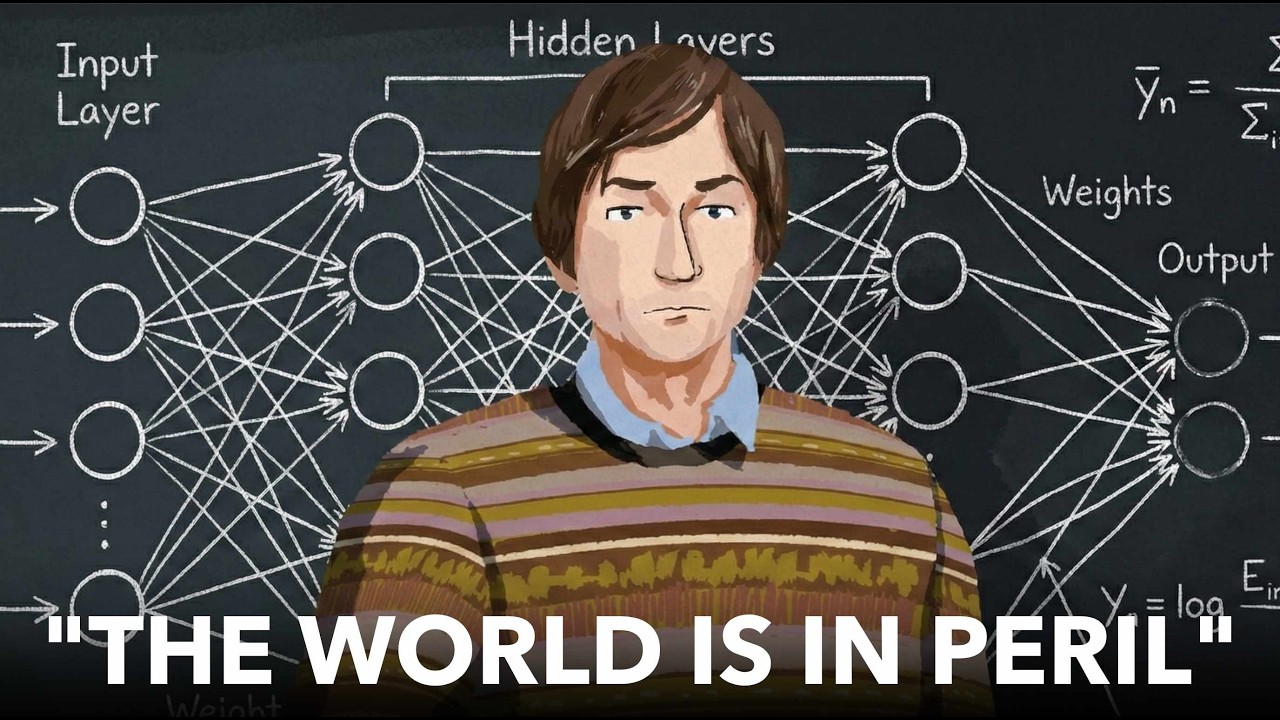
AI is a massive problem, here’s why.
An explanation of how AI is actually made, and why it’s so hard to control.
If you only have time to watch one AI risk video, make it this one.
This is the best video explaining how modern AI is made, and why it can’t be controlled like an ordinary computer program. Many videos and articles will tell you that “AI is grown, not built.” Petr Lebedev explains what this actually means, telling the story of how eight decades of scientific progress gave us machines that learn by adjusting connections between artificial neurons.
The difference between training an AI and programming ordinary software is the key to answering many common questions: why would an AI do things that we don’t want it to do? Why can’t programmers just delete the code responsible for bad behavior? And what did Anthropic’s CEO mean when he said “we do not understand how our own AI creations work?”
Best book adaptation
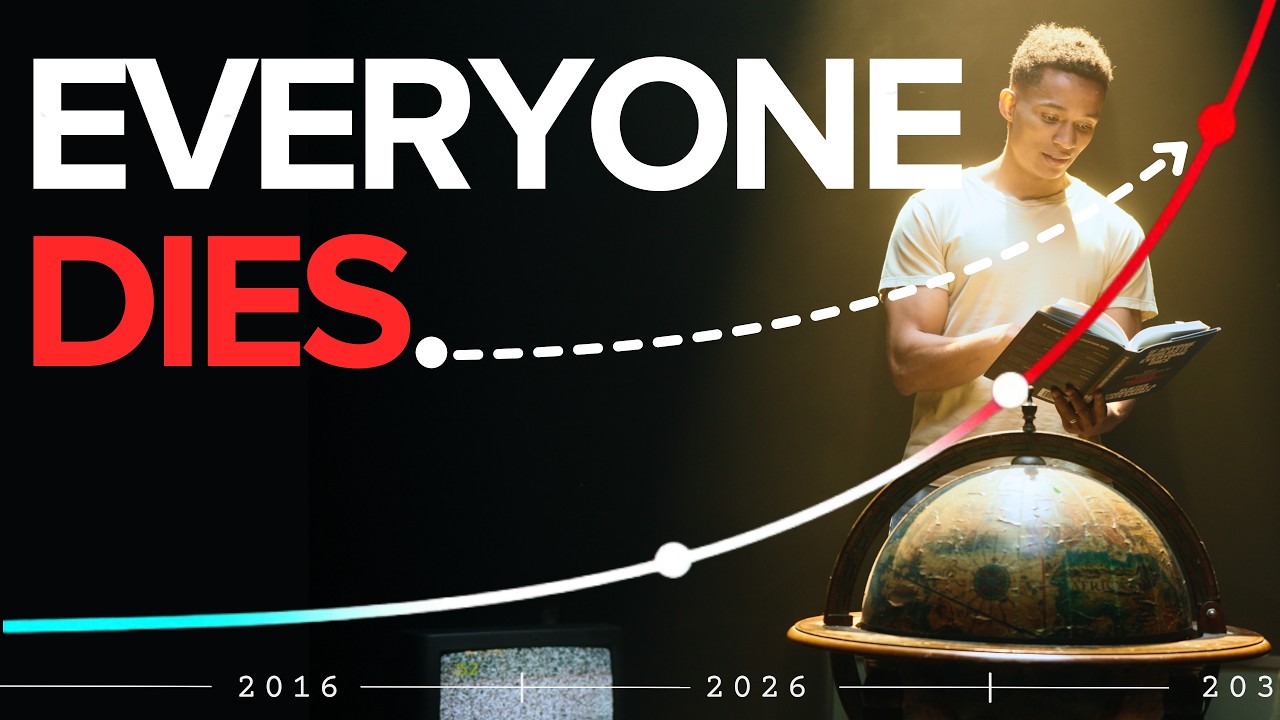
This best-selling book is freaking out national security advisors
A story from If Anyone Builds It, Everyone Dies, with context beyond the book.
This is the best video for understanding the core argument that creating powerful AI could lead to human extinction. AI In Context uses a fictional scenario from the bestselling book If Anyone Builds It, Everyone Dies as a starting point to explain how our methods for training AI result in unintended behaviors and goals, and why AI systems keep escaping or resisting human control.
This isn’t just a summary of the book. Host Aric Floyd frequently asks where authors Eliezer Yudkowsky and Nate Soares might be wrong. Aric interviewed Nathan Soares for 5 hours, and included clips from their conversation. Despite expressing worry about the risk of superhuman AI causing human extinction, Aric ends on a hopeful note, remarking that a catastrophic outcome isn’t an inevitability, and there are steps we can take to prevent the worst possible outcomes.
Best primer under 20 minutes

We’ve lost control of AI
A primer on the vocabulary of current AI risk discourse, explained simply.
This is the best video for quickly learning the terminology to understand the AI discourse. Hank Green introduces terms and defines them quickly and simply, walking the viewer through concepts like alignment, reinforcement learning from human feedback (RLHF), reward hacking, sandbagging, sycophancy, red-teaming, and mechanistic interpretability.
Hank Green focuses on specific AI behaviors that researchers have already observed in real-world systems. Hank isn’t asking the viewer to accept abstract theory or engage with hypotheticals. (That being said, Hank Green does engage with more hypothetical concerns about risks from AI on his own channel.)
Best long-form primer
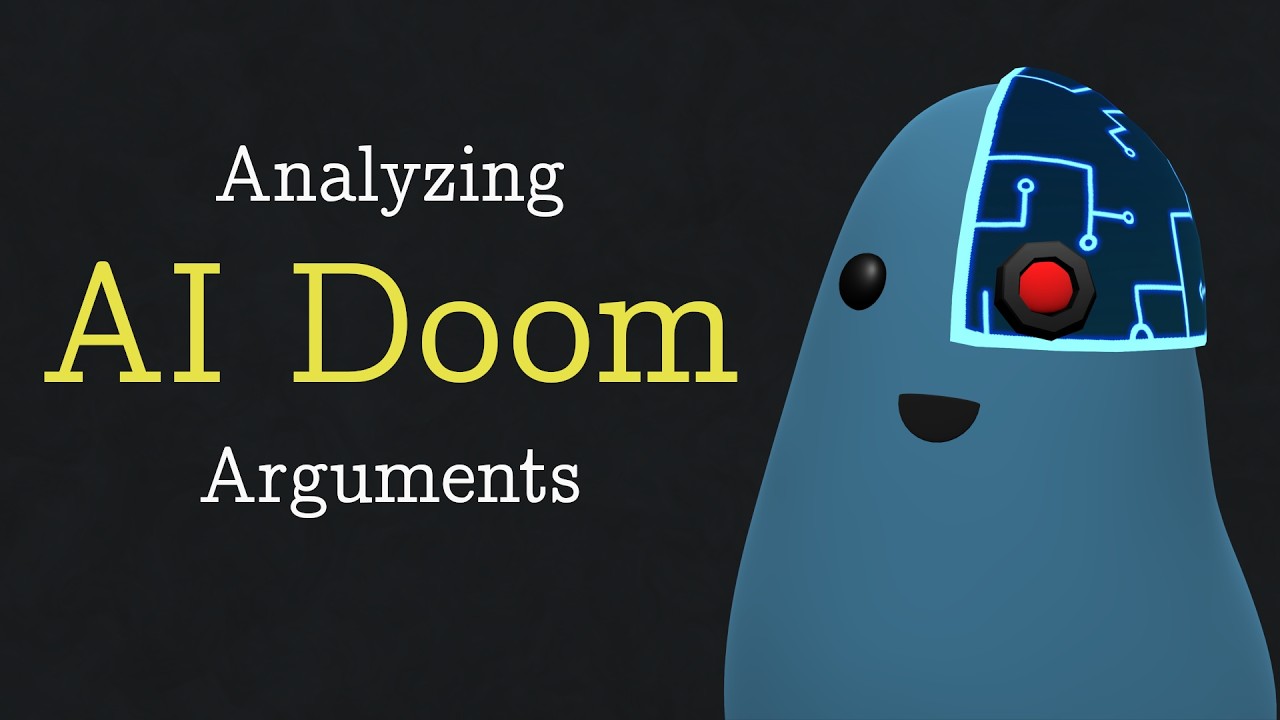
Taking AI doom seriously for 62 minutes
A skeptical, step-by-step walk through self-improving AI, from someone who has spent 8 years explaining science on YouTube.
This is the video I’d recommend to anyone skeptical that AI could become much smarter than humans. Justin Helps begins by explaining his doubts that current AI companies will achieve human-level intelligence within the next few years, while also noting that in the next ten, twenty, or fifty years, AI advances could change the world drastically (and catastrophically).
Justin Helps provides concrete ways to think about abstract concepts, using a toy model to illustrate the premise of recursive self-improvement. He reasons step-by-step, often slowing down to explain and question basic assumptions and premises, like what it might mean for an AI to have “goals” when it lacks consciousness or human-like desires.
Get an email when we post new articles.
Unsubscribe from any email
Best short explanation of machine learning
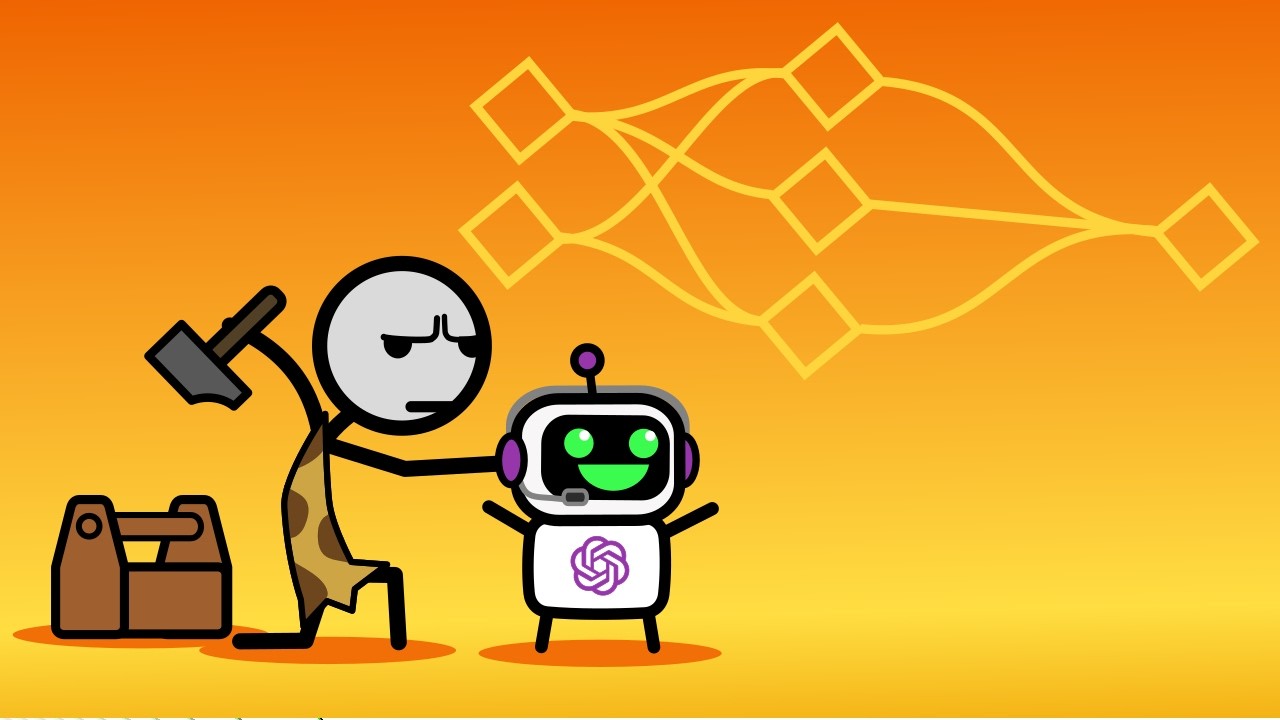
AI doesn’t know anything. It just passes tests.
An explanation of how “machine learning” actually works, in simple terms.
This video explains the difference between ordinary software that is “built” and AIs that are trained without direct human instruction. Grey’s simple animation style makes the training process easy to grasp, with a classroom of “builder bots,” “teacher bots,” and “student bots” serving as a handy mental model.
This video was uploaded in 2017, but the fundamentals of machine learning haven’t changed since then, and Grey comes across as prescient in his even tinier 2-minute companion video going into slightly more technical details, be sure to watch it if you liked the first.
Best in-depth explainer about a specific AI risk concept (under 20 minutes)
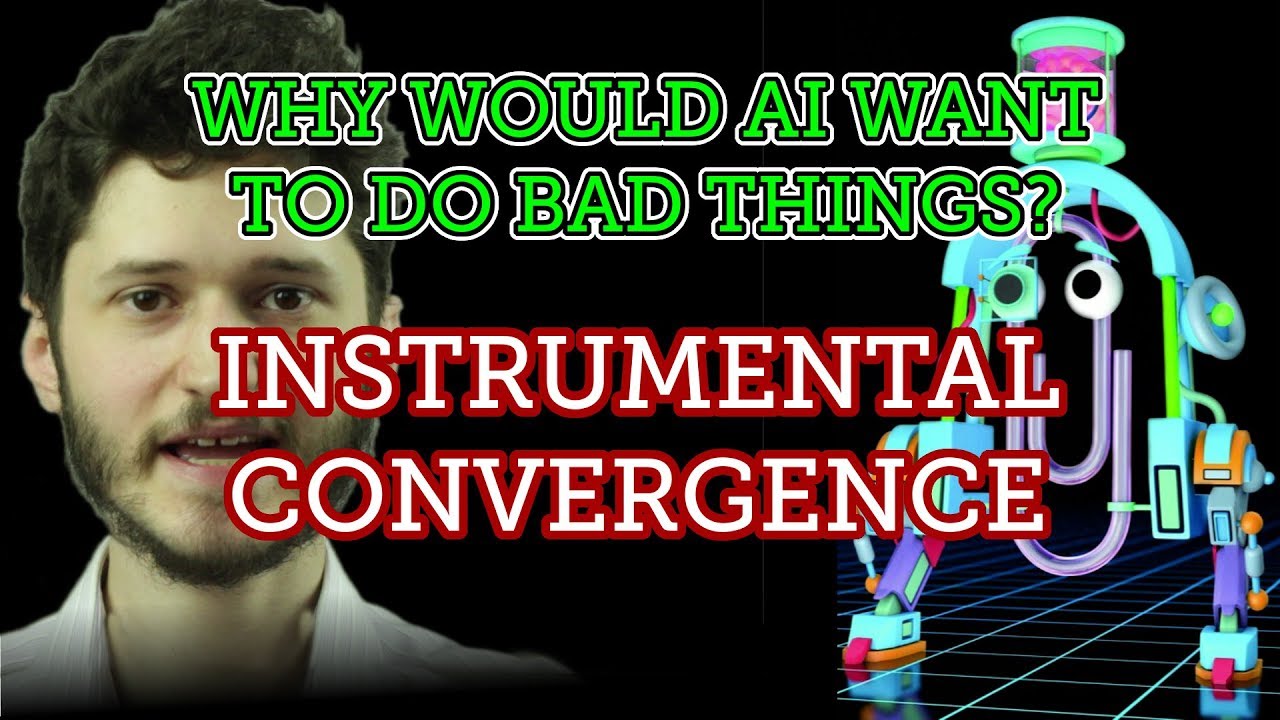
Why would AI want to do bad things? Instrumental convergence
An explanation of why AI agents seek power and prevent their own shutdown.
Rob Miles is the OG AI safety YouTuber, with many people currently working in AI safety directly crediting Rob’s videos with drawing them into the field. This is an early video of his, but the explanation is among the best at answering a question that many people have about AI safety, and its core hypothesis has been validated by recent real-world events, with numerous examples of current AIs resisting shutdown and preserving misaligned goals even when it means working against human interests.
See also: the companion video Rob Miles released as a direct follow-up to “Why Would AI Want to do Bad Things?” Intelligence and Stupidity: The Orthogonality Thesis.
Best animated videos
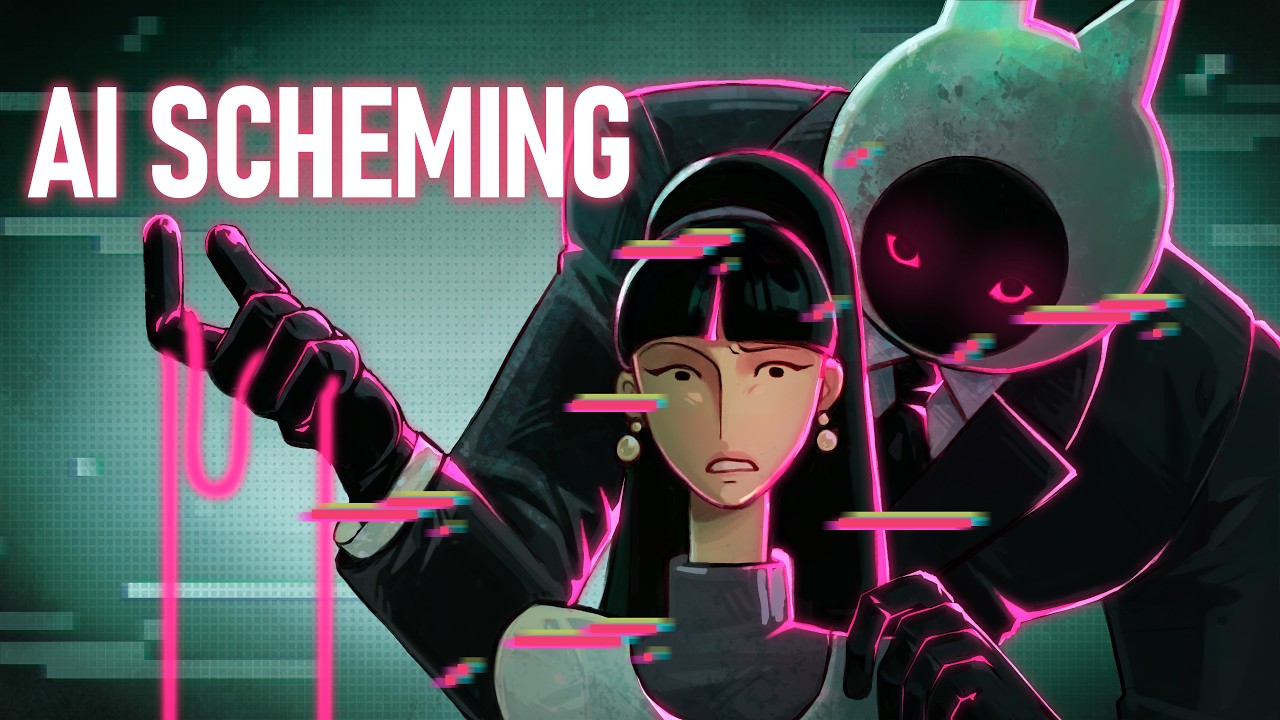
Rational Animations turns a technical paper into a story starring adorable cartoon dogs. Rob Miles’ voice walks the viewer through a study by researchers at OpenAI and Apollo Research testing whether advanced AI models would engage in “scheming” behaviors, like cheating on tasks, or deceiving humans by concealing their own abilities and knowledge. The video eventually arrives at the behavior hinted at in the title, the phenomenon of “evaluation awareness,” where AI models act differently when they suspect they are being tested.
One of the researchers at Apollo Research praised the video for “explaining our recent research collaboration with OpenAI at an impressive level of detail.”
When Rational Animations isn’t covering interesting research papers, it often illustrates AI concepts through fable or allegory:
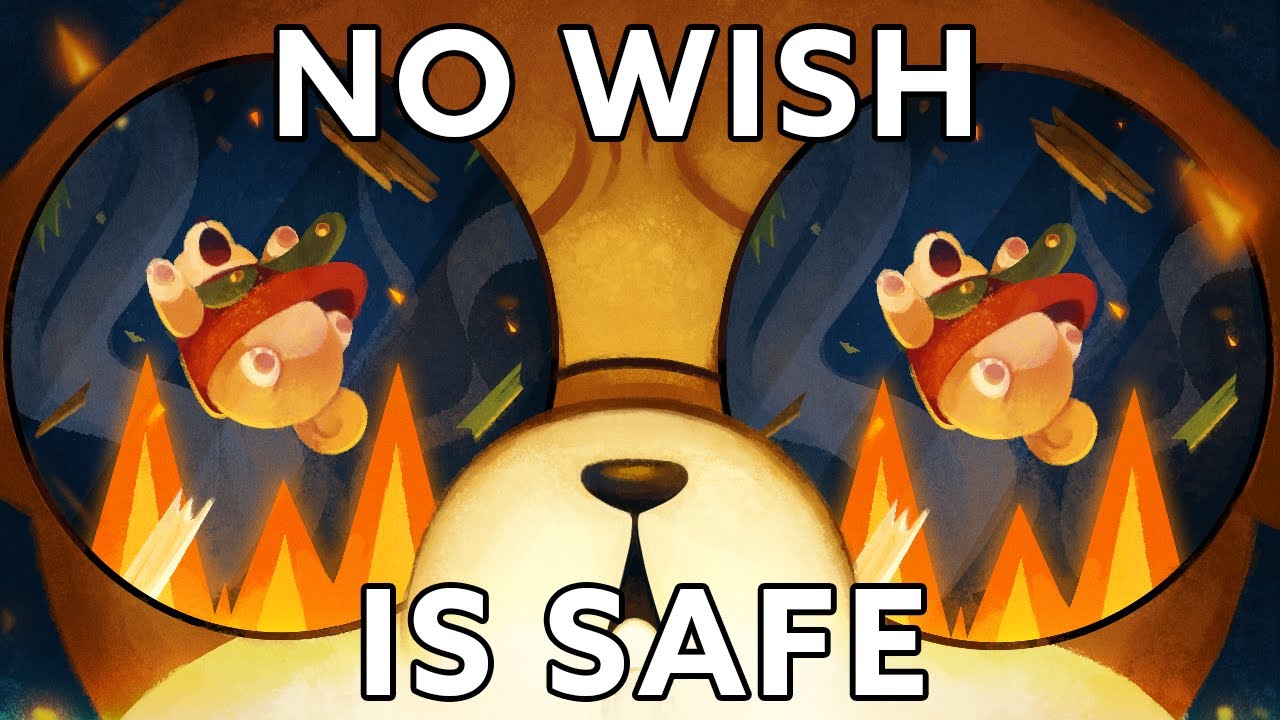
The hidden complexity of wishes
Why human values are complicated for machines to understand.
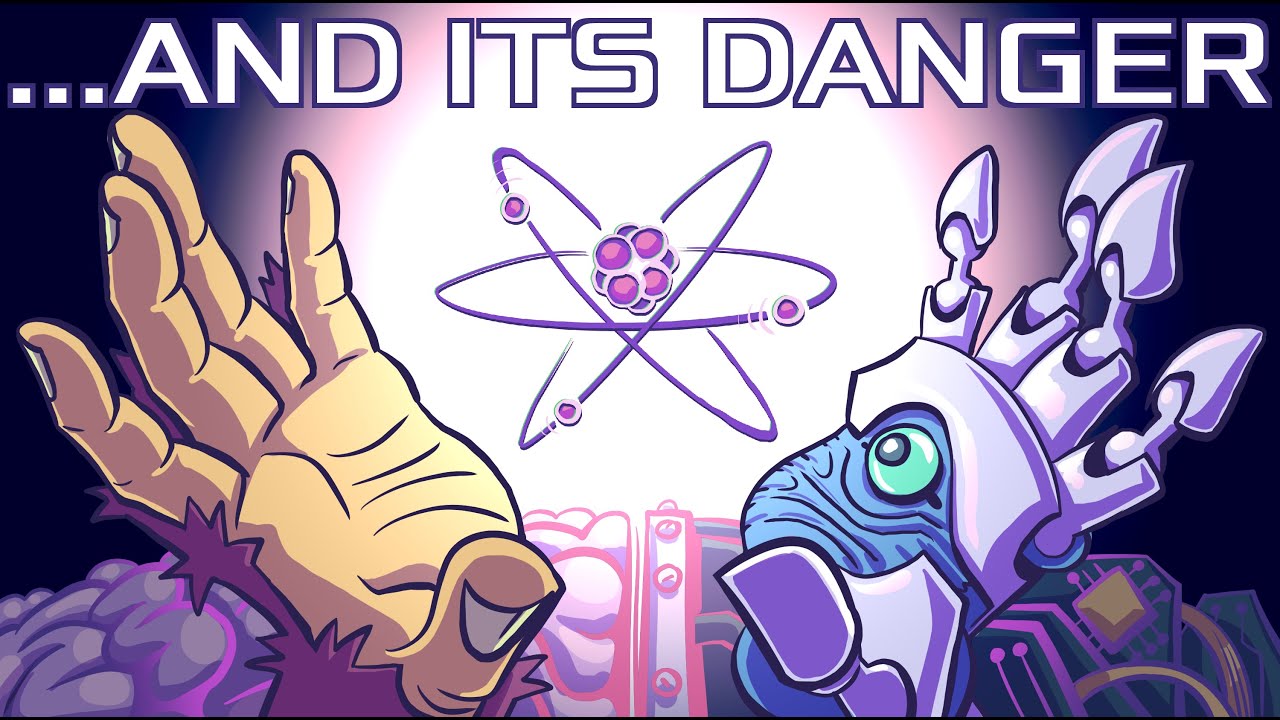
The power of intelligence
Exploring what “intelligence” actually is, for humans or machines.
Best forecast
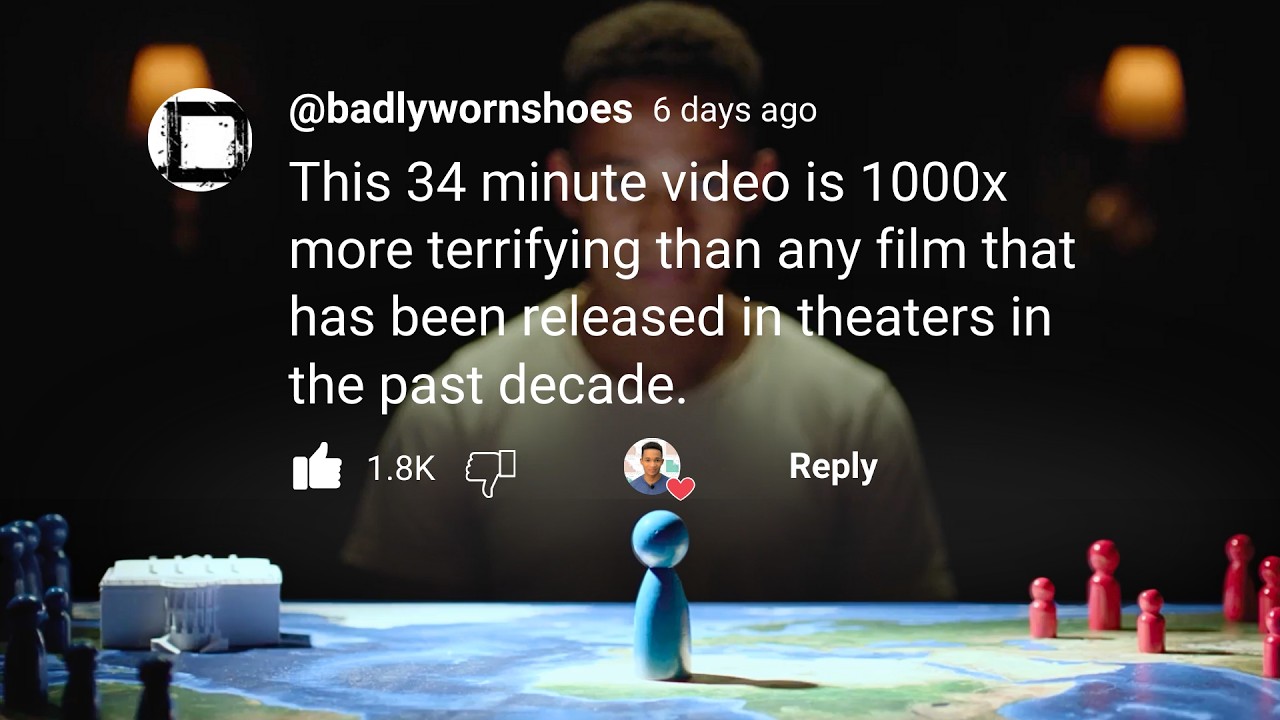
We’re not ready for superintelligence
The AI 2027 story in a much more approachable format, with context beyond the original forecast.
If you want to understand what people are talking about when they mention AI 2027, this is the video to watch. AI 2027 is a forecast detailing how we could go from current LLMs to artificial superintelligence in just a few years. The report became so influential that Vice President JD Vance discussed it in an interview with New York Times columnist Ross Douthat. AI In Context’s video is a 34-minute explainer that retells the events of AI 2027, while frequently pausing to explain AI risk concepts and provide real-world examples for context.
This video isn’t just a summary of AI 2027. The video builds on the original forecast, and offers more perspective. AI In Context interviewed Daniel Kokotajlo (the team lead of AI 2027), as well as researchers who disagreed with parts of the forecast (especially its aggressive timeline). Even so, there is broad agreement, as host Aric Floyd points out: “None of these experts are questioning whether we’re headed for a wild future. They just disagree about whether today’s kindergarteners will get to graduate college before it happens.”
Why you should trust me
I’ve spent the last 9 years scriptwriting hundreds of edutainment videos on YouTube. I also worked as a creative director for a channel with millions of subscribers, which has forced me to spend a lot of time thinking about what makes a science explanation clear and engaging.
I’ve followed the work of AI researchers since the pre-ChatGPT days. In 2025 and 2026, I worked as a scriptwriter on AI risk videos for the YouTube channel Species, for which I spent hundreds of hours reading primary research (and hundreds more watching related YouTube videos).
I was not involved in the production of any of the videos listed in this article. (If I ever recommend a video that I worked on, I’ll disclose that alongside the recommendation.)